
A team can shape its brand narrative on X by aligning content themes, engagement behaviour, authority signals, and distribution patterns within a consistent communication framework.X growth strategies differ based on whether the objective is audience acquisition, audience retention, visibility expansion, or profile authority development.A brand narrative on X is the structured set of messages, themes, perspectives, and interactions that audiences associate with a profile over time. Within a team environment, narrative shaping becomes a coordination challenge because multiple contributors influence content, engagement patterns, and public perception simultaneously. The effectiveness of a narrative framework depends on how consistently these contributors reinforce the same topical positioning, authority indicators, and audience expectations.
Teams evaluating narrative frameworks on X typically compare content-led approaches, engagement-led approaches, amplification-focused distribution methods, and authority-building strategies. Each approach influences audience reach, visibility indicators, engagement quality, and long-term profile credibility in different ways.
A content-led narrative framework creates stronger audience recognition than a fragmented multi-topic framework because X and its users categorise profiles through repeated thematic exposure.
Content-led frameworks operate by publishing interconnected topics that reinforce a clear semantic identity. This approach strengthens profile recognition because audiences repeatedly encounter the same expertise signals across posts, threads, and discussions. The mechanism relies on topical consistency, recurring terminology, and predictable analytical perspectives.
Fragmented frameworks operate by covering unrelated subjects without a unifying narrative structure. While this can produce occasional visibility spikes, it weakens semantic categorisation and reduces the platform’s ability to associate the profile with specific audience interests.
From an audience development perspective, content-led frameworks generate higher recognition retention, while fragmented frameworks generate broader but less stable exposure. The trade-off is between depth of association and breadth of topical experimentation.

Organic growth strategies prioritise audience quality and authority accumulation, while amplification-focused approaches prioritise rapid visibility expansion and network reach.
Higher audience quality
How it works
Strengths
Limitations
Faster visibility
How it works
Strengths
Limitations
X distributes amplified content more broadly when engagement signals arrive quickly from interconnected networks. However, organic strategies generally produce stronger audience-to-topic alignment, which improves long-term narrative coherence.
Content-led narrative shaping defines perception through published insights, while engagement-led narrative shaping defines perception through public interactions and conversations.
Content-led approaches focus on threads, analytical posts, educational content, and recurring thematic discussions. The narrative is established primarily through what the team publishes.
Engagement-led approaches focus on replies, quote posts, discussion participation, and interaction visibility. The narrative is established through how the team responds to existing conversations.
| Factor | Content-Led | Engagement-Led |
|---|---|---|
| Primary signal | Published content | Public interaction |
| Authority development | Stronger | Moderate |
| Visibility speed | Moderate | Faster |
| Resource intensity | Higher content production | Higher monitoring |
| Narrative control | Higher | Lower |
Content-led frameworks generally create clearer authority signals because the team controls the subject matter, structure, and analytical depth. Engagement-led frameworks generate faster conversational visibility but depend heavily on external discussion contexts.
Visibility-focused acquisition strategies are more effective for rapid follower growth, while authority-focused acquisition strategies are more effective for attracting relevant audiences.
Visibility-focused acquisition operates through high-reach discussions, trend participation, and broad distribution mechanisms. The primary metric is audience growth velocity.
Authority-focused acquisition operates through specialised expertise, analytical content, and consistent topical positioning. The primary metric is audience relevance.
Comparative evaluation:
| Metric | Visibility-Focused | Authority-Focused |
|---|---|---|
| Follower growth speed | Higher | Lower |
| Audience relevance | Lower | Higher |
| Engagement quality | Lower | Higher |
| Retention rate | Lower | Higher |
| Narrative consistency | More variable | More stable |
For teams shaping a long-term brand narrative, audience relevance generally contributes more to sustained profile authority than raw follower expansion.
Audience retention strategies reinforce existing narrative expectations, while acquisition strategies expand exposure to new audience segments.
Retention operates through predictable thematic publishing, recurring discussion formats, and consistent expertise signals. The mechanism strengthens the relationship between the profile and its existing audience.
Acquisition operates through broader distribution, cross-network visibility, and discovery-oriented content. The mechanism introduces the profile to users who have not previously engaged with the account.
Retention strategies typically improve engagement quality and content distribution efficiency because existing followers are already aligned with the profile’s topics. Acquisition strategies increase audience reach but often reduce average engagement quality during rapid expansion phases.
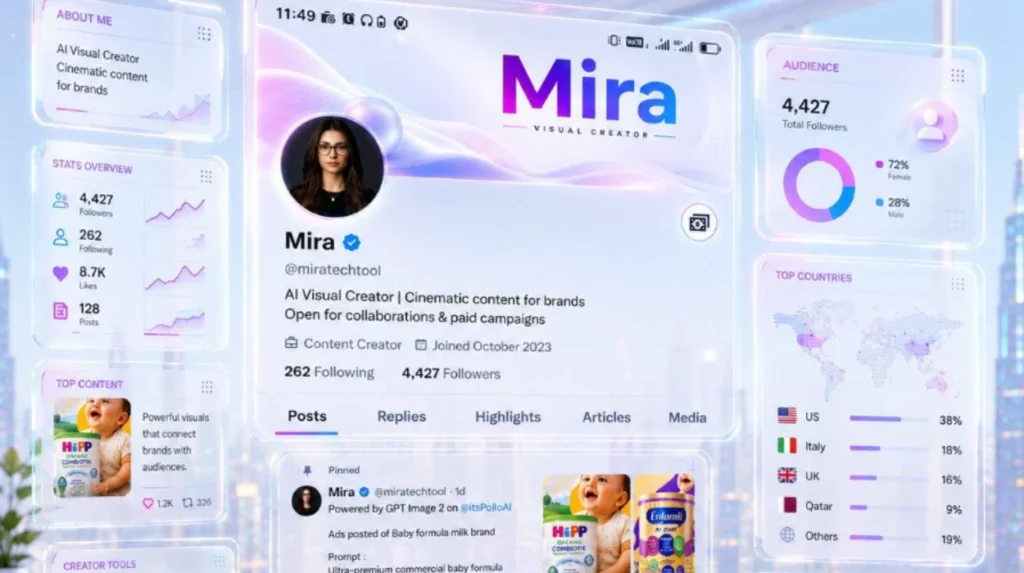
Analytical publishing methods create stronger thought leadership signals than visibility-focused posting patterns because they demonstrate subject-specific interpretation rather than broad exposure.
Authority-building on X is the process of accumulating expertise indicators through consistent, topic-relevant contributions. Effective methods include:
Visibility-focused tactics, such as frequent trend participation, increase exposure but provide weaker evidence of specialised expertise. Thought leadership signals emerge when audiences consistently associate the profile with high-value analysis in a specific domain.
Thought leadership approaches prioritise expertise recognition and authority accumulation, while promotional content strategies prioritise message exposure and immediate attention.
| Characteristic | Thought Leadership | Promotional |
|---|---|---|
| Primary objective | Authority | Exposure |
| Content depth | Higher | Lower |
| Audience retention | Stronger | Weaker |
| Long-term visibility | More stable | Less stable |
| Resource requirement | Research and analysis | Campaign execution |
For narrative shaping, thought leadership approaches generally produce stronger profile authority because they create repeatable expertise associations. Promotional strategies can generate visibility spikes but often contribute less to long-term narrative recognition.
Short-term visibility gains maximise immediate reach, while long-term audience development maximises sustained authority and engagement quality.
Key trade-offs
Immediate reach
Strengths
Limitations
Sustained authority
Strengths
Limitations
X rewards both approaches differently. Rapid engagement activity can trigger temporary distribution expansion, while consistent topical engagement contributes to long-term authority categorisation.
A hybrid framework that combines content-led authority building with selective amplification offers the strongest balance between visibility expansion and narrative consistency.
This framework operates by establishing a clear thematic foundation through analytical content, then extending distribution through relevant network engagement. The content component builds authority indicators, while the amplification component improves audience reach.
Teams evaluating framework effectiveness often compare four factors:
| Factor | Authority-Led | Hybrid |
|---|---|---|
| Visibility growth | Moderate | Higher |
| Narrative consistency | Strong | Strong |
| Audience relevance | High | High |
| Scalability | Moderate | Higher |
| Resource efficiency | Lower | Balanced |
Within this evaluation, a useful consideration is how the narrative framework supports future positioning, including whether the profile’s authority indicators, audience expectations, and content distribution patterns align with broader strategic categories such as an X brand narrative shaping agency.
Shaping a brand narrative on X requires evaluating how different growth approaches influence visibility, authority, audience quality, and engagement sustainability. Content-led frameworks create stronger expertise recognition, engagement-led frameworks accelerate conversational visibility, and amplification-focused approaches expand distribution beyond existing follower networks.
The most significant distinction is between strategies optimised for short-term exposure and strategies optimised for long-term authority accumulation. Visibility-focused tactics increase reach rapidly but often produce lower audience relevance, while authority-focused approaches generate slower growth with stronger engagement quality and retention.
For teams, the strongest narrative outcomes generally emerge from frameworks that combine consistent thematic publishing, structured authority building, selective amplification, and coordinated engagement behaviour. This balance supports audience recognition, strengthens thought leadership signals, and improves the sustainability of profile visibility within the X ecosystem.